The Importance of Quality and Code Compliance Among Prefabricated Structures Manufacturers
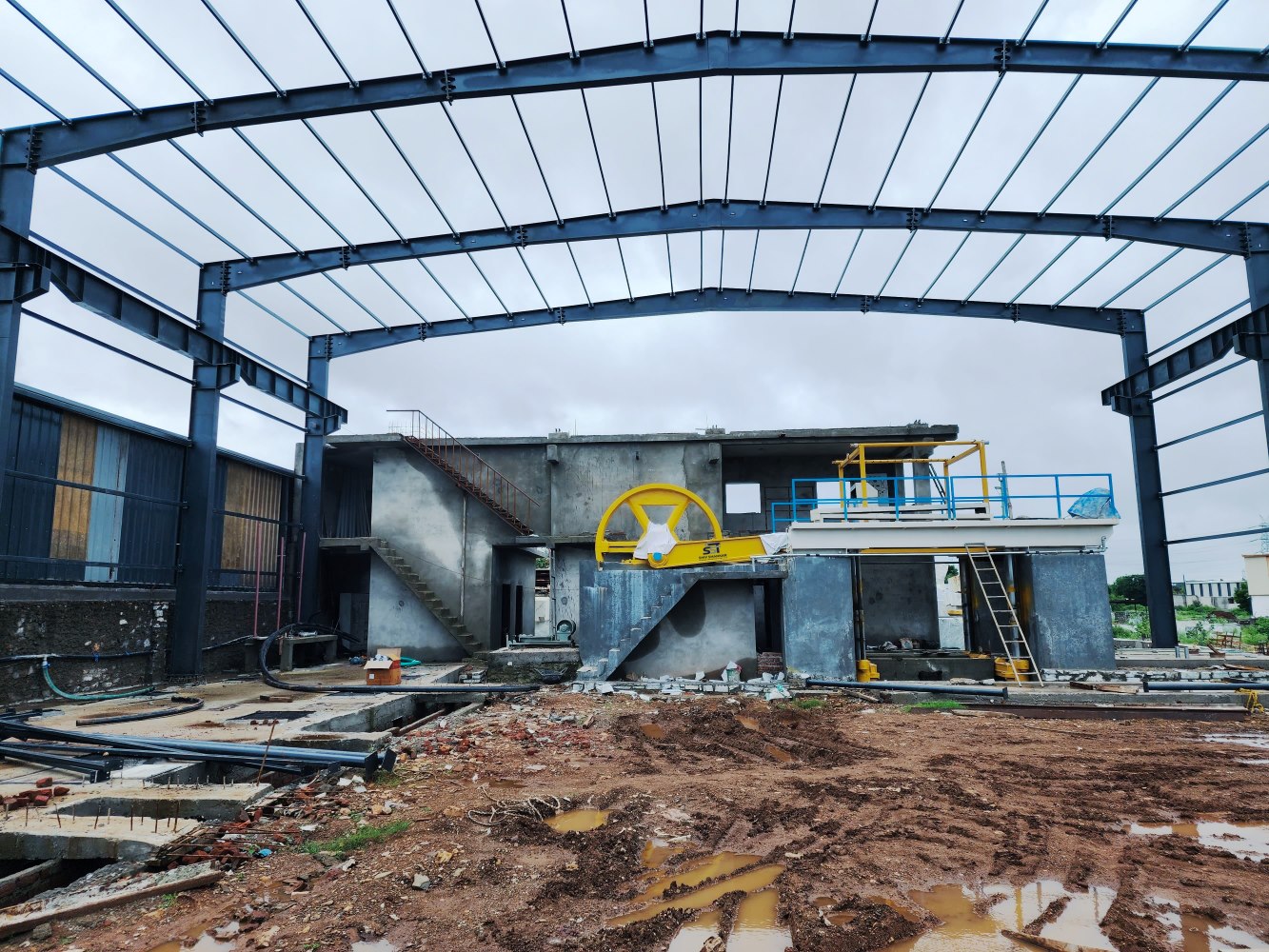
Introduction
Modern construction projects increasingly demand faster execution reliable performance and controlled costs without compromising structural safety. As businesses seek efficient building solutions trusted prefabricated structures manufacturers play an important role in delivering engineered structures that meet diverse industrial and commercial requirements while maintaining consistent standards. Quality materials precise manufacturing and adherence to established construction codes help ensure that prefabricated structures provide dependable performance and long-term value for businesses.
Why Quality Matters in Prefabricated Structures
Quality is one of the most important factors when selecting a prefabricated building solution. Prefabricated structures are manufactured using controlled production processes where components are measured fabricated and assembled according to specific engineering requirements. Maintaining strict quality standards at every stage helps reduce manufacturing defects and ensures that individual components perform effectively after installation.
High-quality materials also contribute to structural strength and durability. From steel sections and roofing systems to insulation and connection components every element must meet appropriate specifications. Consistent quality can improve resistance against environmental conditions reduce maintenance requirements and extend the useful life of the structure.
Role of Code Compliance in Structural Safety
Construction codes and industry standards establish important requirements related to structural strength fire safety materials loading conditions and overall building performance. Compliance with these requirements is essential because prefabricated structures must remain safe under the conditions for which they are designed.
Experienced manufacturers consider applicable standards during design engineering fabrication and installation. This approach ensures that structural components are developed with appropriate load-bearing capacity and connection details. Code-compliant manufacturing also provides clients with greater confidence that their building solution has been developed according to recognized technical requirements.
Quality Control from Design to Installation
Effective quality control begins before fabrication starts. Detailed drawings engineering calculations material selection and production planning all contribute to the final performance of a prefabricated structure. Manufacturers with systematic quality procedures can identify potential issues early and maintain consistency throughout production.
Inspection and testing are equally important during fabrication. Measurements welding quality surface finishing component dimensions and assembly details should be checked carefully. Once the components reach the project site proper installation practices are necessary to ensure that the completed structure performs as intended.
Benefits of Working with Reliable Manufacturers
Choosing a reliable manufacturer can provide several advantages for businesses planning industrial warehouses commercial buildings workshops or other prefabricated facilities. Experienced manufacturers understand how to balance structural requirements with project timelines and budget considerations.
Reliable production processes can also support faster project completion because components are manufactured in advance and transported for systematic installation. This reduces unnecessary delays and improves coordination between different stages of construction. When quality and compliance are maintained throughout the project clients can benefit from safer structures and predictable long-term performance.
How Compliance Supports Long-Term Value
Code compliance should not be considered only a regulatory requirement. It also contributes to the overall value and reliability of a building. Properly engineered structures can offer better durability while reducing the possibility of costly structural problems in the future.
For businesses compliance can also support smoother project approvals and documentation processes. Working with professional prefabricated structures manufacturers helps ensure that technical specifications and construction requirements are addressed before fabrication and installation begin.
Why Choose Us
Choosing the right manufacturer can make a significant difference in the quality safety and performance of a prefabricated structure. With a focus on engineering accuracy material quality and dependable manufacturing practices Shiv Shankar Techno delivers solutions designed to meet diverse project requirements. The company emphasizes careful planning consistent production standards and attention to structural details throughout the project. This approach helps clients receive durable and practical prefabricated building solutions that support their operational needs. By combining quality-focused manufacturing with professional execution the company aims to provide reliable structures that offer long-term value.
Conclusion
Quality and code compliance are essential elements of successful prefabricated construction. From material selection and engineering design to fabrication inspection and installation every stage influences the final performance of a structure. Businesses should therefore work with experienced manufacturers that understand the importance of recognized standards and systematic quality control. By selecting dependable prefabricated structures manufacturers clients can achieve safer buildings efficient project execution and lasting structural value.
Frequently Asked Questions
1. Why is quality important in prefabricated structures?
Quality ensures that structural components meet required specifications and perform reliably after installation. It can also improve durability and reduce future maintenance requirements.
2. What does code compliance mean for prefabricated buildings?
Code compliance means designing manufacturing and installing structures according to applicable building codes standards and technical requirements related to safety and performance.
3. How does quality control improve prefabricated construction?
Quality control helps identify manufacturing defects maintain component accuracy and ensure that materials and fabrication processes meet defined specifications.
4. Can prefabricated structures be customized for different projects?
Yes. Prefabricated structures can be designed and manufactured according to project-specific dimensions layouts functional requirements and structural considerations.
5. How should businesses choose prefabricated structure manufacturers?
Businesses should consider manufacturing experience engineering capabilities material quality quality-control procedures code compliance and the manufacturer's ability to meet project timelines.

Comments
Post a Comment