How Prefabricated Structures Are Transforming Modern Construction Projects
Introduction
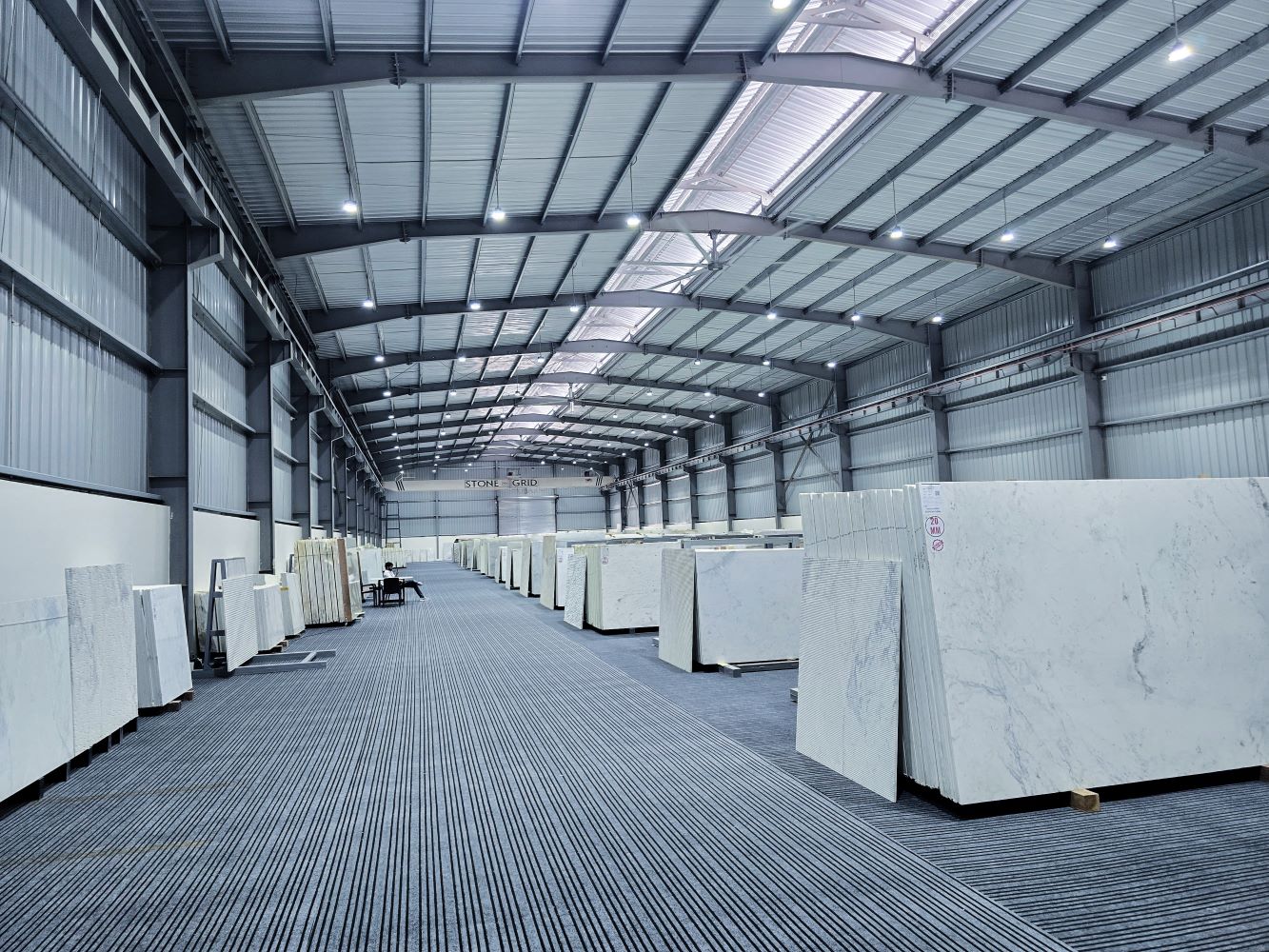
The construction industry is continuously evolving with new technologies and building methods that improve project efficiency. Prefabricated construction has become an important approach because it allows building components to be manufactured before being assembled at the project location Today prefabricated structures manufacturers are helping businesses adopt modern construction techniques that reduce on-site work and improve project planning. From industrial warehouses to commercial buildings these structures are transforming the way construction projects are designed and executed.
Faster Construction and Project Completion
One of the biggest advantages of prefabricated structures is their ability to reduce construction time. Traditional construction involves several activities being completed sequentially at the site. Prefabrication allows different building components to be manufactured simultaneously while site preparation takes place.
Once the components are ready they can be transported and assembled at the required location. This organised process helps reduce construction delays and supports faster project completion.
Improved Quality and Manufacturing Standards
Prefabricated building components are manufactured in controlled environments using planned production processes. This helps maintain consistency in dimensions and material quality.
Manufacturers can follow standard fabrication procedures and inspect components before they reach the construction site. Proper quality checks help reduce material inconsistencies and support reliable building performance.
This approach is particularly useful for industrial projects where structural requirements and construction standards are important.
Cost-Effective Construction Solutions
Prefabricated structures can help businesses manage construction expenses more effectively. Since components are manufactured according to project specifications material usage can be planned more accurately.
Some important cost-related advantages include:
Reduced on-site labour requirements.
Better material planning and utilisation.
Less construction waste.
Reduced project completion time.
Improved coordination between manufacturing and installation teams.
Although the overall cost depends on design and specifications prefabricated construction can offer practical financial benefits for many projects.
Flexibility in Design and Customisation
Modern construction projects often require structures that match specific operational needs. Prefabricated building systems offer flexibility in dimensions and layouts as well as structural configurations.
Businesses can select suitable designs according to their available space and functional requirements. These structures can be developed for industrial facilities and warehouses as well as workshops and commercial applications.
Customisation also allows businesses to plan future expansion depending on the building system and project requirements.
Applications of Prefabricated Structures Across Industries
Prefabricated construction is widely used in different industries because of its practical applications.
Industrial Warehouses: These structures provide organised storage areas for raw materials and finished products.
Manufacturing Facilities: Prefabricated buildings can be designed to accommodate machinery and production activities.
Commercial Buildings: Offices and commercial facilities can use prefabricated systems for faster construction.
Workshops: Industrial workshops can benefit from customised layouts and suitable structural arrangements.
Storage Facilities: Businesses can develop additional storage spaces according to their operational requirements.
Sustainable and Efficient Construction Practices
Sustainability has become an important consideration in modern construction. Prefabrication supports better material management because components are manufactured according to planned measurements.
Reduced material waste and organised production can contribute to more efficient resource utilisation. Additionally shorter construction periods may help reduce the impact of prolonged on-site activities.
The environmental performance of a project also depends on material selection and transportation as well as energy requirements and building design.
How to Choose the Right Prefabricated Structure Manufacturer
Selecting the right manufacturer is essential for achieving successful project results. Businesses should evaluate several factors before making a decision.
Industry Experience: Check the manufacturer's experience with similar construction projects.
Material Quality: Understand the materials and fabrication methods used.
Customisation: Choose a company that can accommodate project-specific requirements.
Technical Expertise: Evaluate its ability to handle design and structural specifications.
Installation Support: Discuss transportation and on-site assembly arrangements.
A detailed evaluation helps businesses select a suitable construction partner.
Why Choose Shiv Shankar Techno?
When planning modern industrial construction projects Shiv Shankar Techno offers prefabricated building solutions designed to meet different project requirements. The company focuses on providing practical construction systems for industrial and commercial applications. Whether you are planning a warehouse or a manufacturing facility or another prefabricated building project Shiv Shankar Techno can help you explore suitable structural solutions based on your requirements.
Conclusion
Prefabricated structures are transforming modern construction by offering faster project execution and organised manufacturing as well as flexible design possibilities. Their applications across industrial and commercial sectors make them an important option for businesses seeking efficient building solutions. By selecting the right materials and experienced manufacturing partner companies can achieve better project planning and construction outcomes. Shiv Shankar Techno provides prefabricated construction solutions for businesses looking to adopt modern building methods.
Frequently Asked Questions (FAQs)
1. What are prefabricated structures?
Prefabricated structures are buildings made using components manufactured at a separate facility and assembled at the final construction location.
2. How do prefabricated structures save construction time?
Different building components can be manufactured while site preparation takes place which helps reduce the overall construction schedule.
3. Are prefabricated structures suitable for industrial warehouses?
Yes. They are commonly used for warehouses and manufacturing facilities as well as workshops and storage buildings.
4. Can prefabricated structures be customised?
Yes. Their dimensions and layouts as well as structural specifications can be planned according to project requirements.
5. How can I choose reliable prefabricated structures manufacturers?
Compare industry experience and material quality as well as technical expertise and customisation options before selecting a manufacturer.

Comments
Post a Comment